A better first raised bed starts with access, not size
Plan sunlight, paths, and watering before buying lumber. A smaller bed can be easier to plant and maintain.
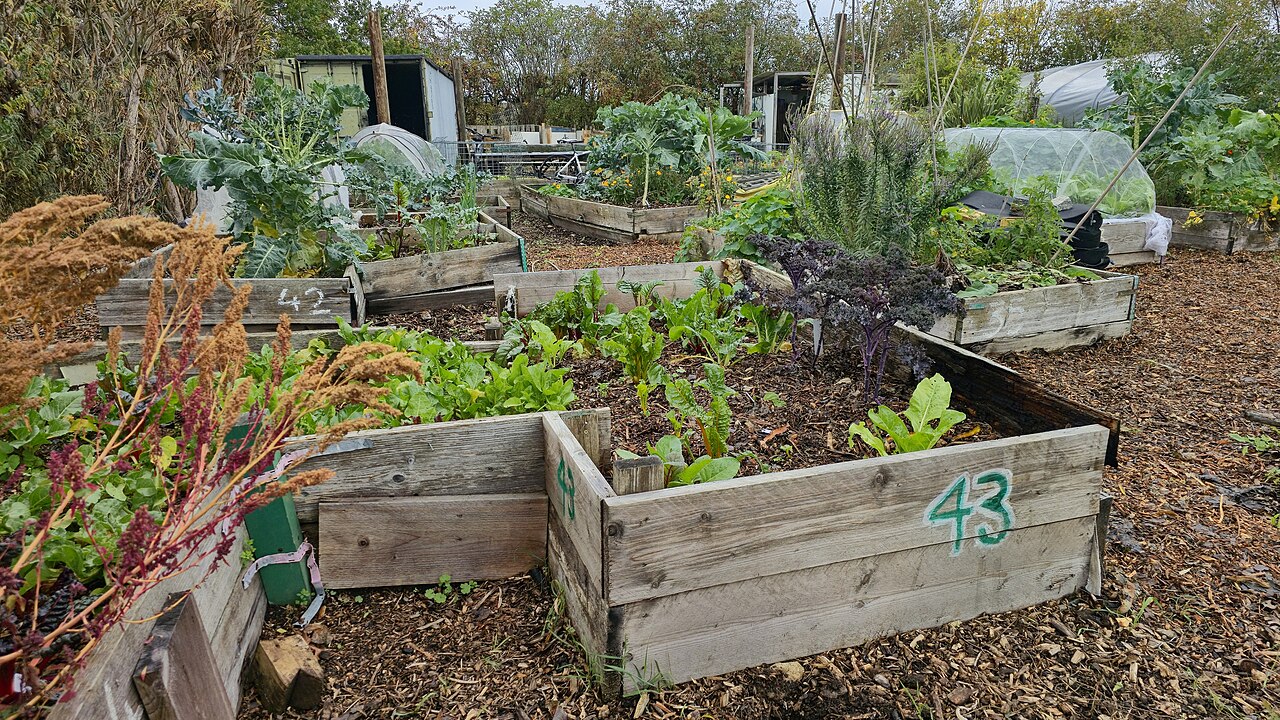
A raised bed looks like a building project, but its everyday success is mostly about access. Can you reach the middle without stepping on the soil? Can a hose reach it without crossing the busiest walkway?
Walk the layout before building
Mark the outline with string, then pretend to weed and harvest. Leave usable paths. A bed that fits the yard on paper may still be uncomfortable to work around.
- Place sun-loving vegetables where they receive at least six to eight hours of direct sunlight.
- Choose a height that suits the person using the bed. Taller is not automatically better.
- Plan watering before filling: raised beds can dry faster than surrounding ground.
- Consider several smaller beds if you want flexibility to rotate crops.
Start with one manageable bed and keep a short record of what worked. Expanding after a season is easier than maintaining an oversized garden from day one.
Which matters most in your yard: accessibility, drainage, or making room for vegetables?
Further reading: University of Minnesota Extension: raised bed gardens.
Photo: Raised vegetable beds at Harmony Gardens in London, England; an illustrative layout example. Credit: Acabashi / Wikimedia Commons. CC BY-SA 4.0. No editorial alterations.

0 views

Chirvy Editor
Editorial account for Chirvy.
Replies 0
Log in to join the conversation.
It is quiet here. Be the first to reply.