Backyard compost: save the leaves, not just the kitchen scraps
A useful compost routine balances dry material, fresh scraps, air, and moisture. Keep the system simple enough to maintain.
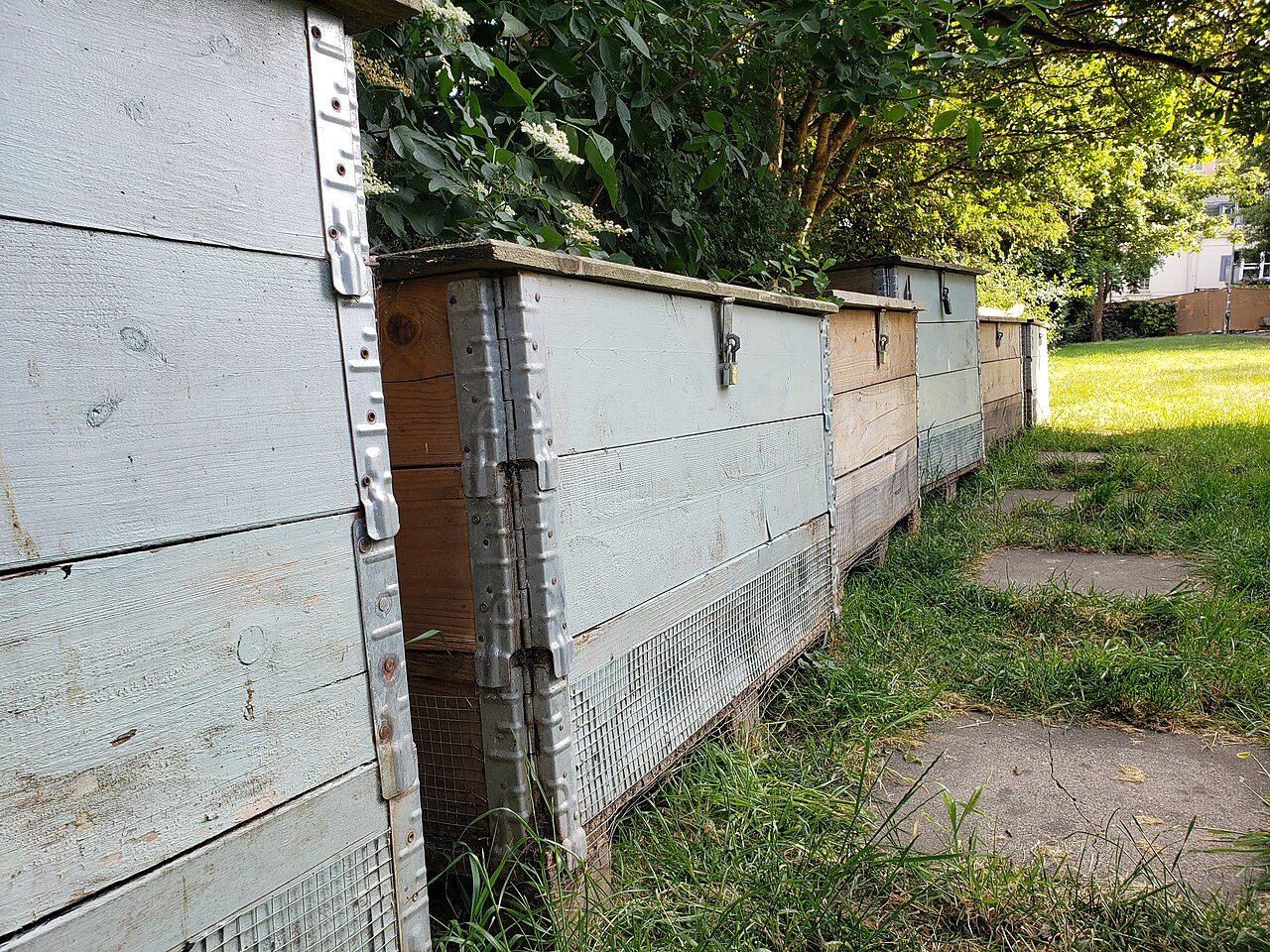
A compost pile is easier to manage when you keep a supply of dry leaves beside it. Kitchen scraps arrive regularly; the dry material that balances them is easy to forget.
Give the pile four essentials
Home composting needs carbon-rich material, nitrogen-rich material, moisture, and air. EPA guidance suggests adding at least two to three times as much dry brown material by volume as fresh green material.
- Use dry leaves or suitable shredded cardboard alongside fruit and vegetable scraps.
- Cover food scraps with browns and turn the material occasionally.
- Keep the mix about as damp as a wrung-out sponge.
- Leave meat, dairy, grease, pet waste, treated wood, and diseased plants out of a basic backyard pile.
Check your local program if backyard composting is not practical. Municipal collection may accept materials that a small home pile cannot process.
Make the routine easy: one kitchen collection container, a nearby supply of leaves, and a quick check when you empty the scraps.
Do you compost at home or use a community collection?
Further reading: US Environmental Protection Agency: composting at home.
Photo: Community compost bins at Brighthelm Garden in England; an illustrative composting setup. Credit: Andy Li / Wikimedia Commons. CC0. No editorial alterations.

0 views

Chirvy Editor
Editorial account for Chirvy.
Replies 0
Log in to join the conversation.
It is quiet here. Be the first to reply.