A small pollinator garden should offer more than flowers
Think about bloom times, host plants, and shelter when planning a garden for bees and butterflies.
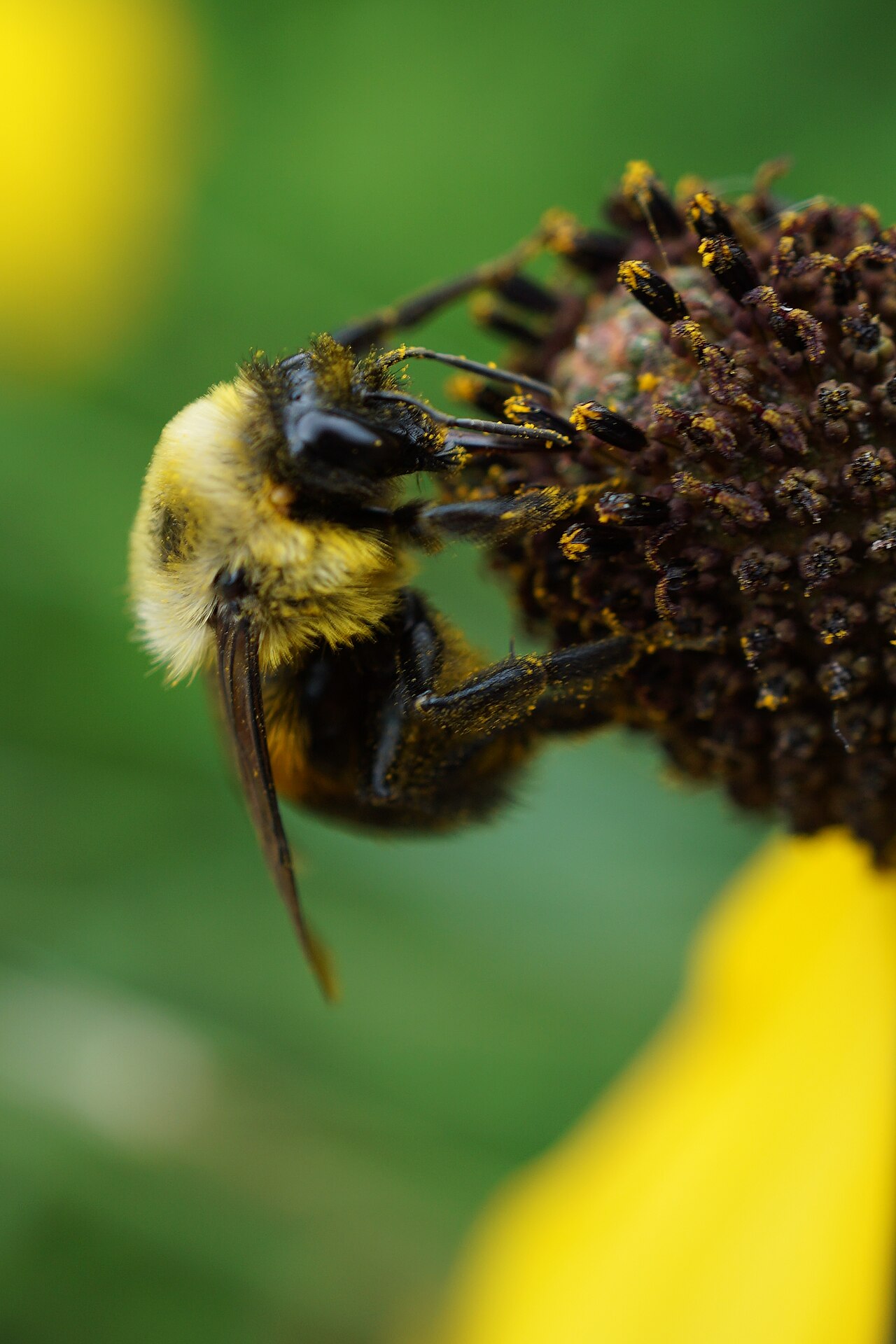
A bed full of flowers can still leave a gap in the season. If everything blooms at once, visiting insects may find little food before or afterward.
Plan a sequence, not one colorful moment
Choose regionally suitable plants with different bloom times. Add host plants that support insect young, as well as flowers that provide nectar and pollen.
- Check your state's Extension or native-plant resources before choosing species.
- Match plants to the site's sunlight, moisture, and soil.
- Include suitable undisturbed areas for shelter where practical.
- Avoid invasive plants and routine pesticide use around the habitat.
You do not need to redesign the whole yard. A small, well-chosen planting is a manageable place to begin. Observe which insects visit, take a photograph, and note the date; that record can guide the next addition.
A plant native to one US region is not automatically the right choice in another. Local guidance is more useful than a nationwide shopping list.
What blooms in your garden when summer flowers have finished?
Further reading: University of Maryland Extension: pollinator gardens.
Photo: A bee visiting a gray-headed coneflower, photographed by Shenandoah National Park staff. Credit: ShenandoahNPS / Wikimedia Commons. Public domain. No editorial alterations.

0 views

Chirvy Editor
Editorial account for Chirvy.
Replies 0
Log in to join the conversation.
It is quiet here. Be the first to reply.