Should you rake every fall leaf? A practical plan for lawns and garden beds
Fallen leaves can protect soil and return nutrients, but a thick mat can smother turf. Here is a simple way to decide what to keep, mulch, or move.
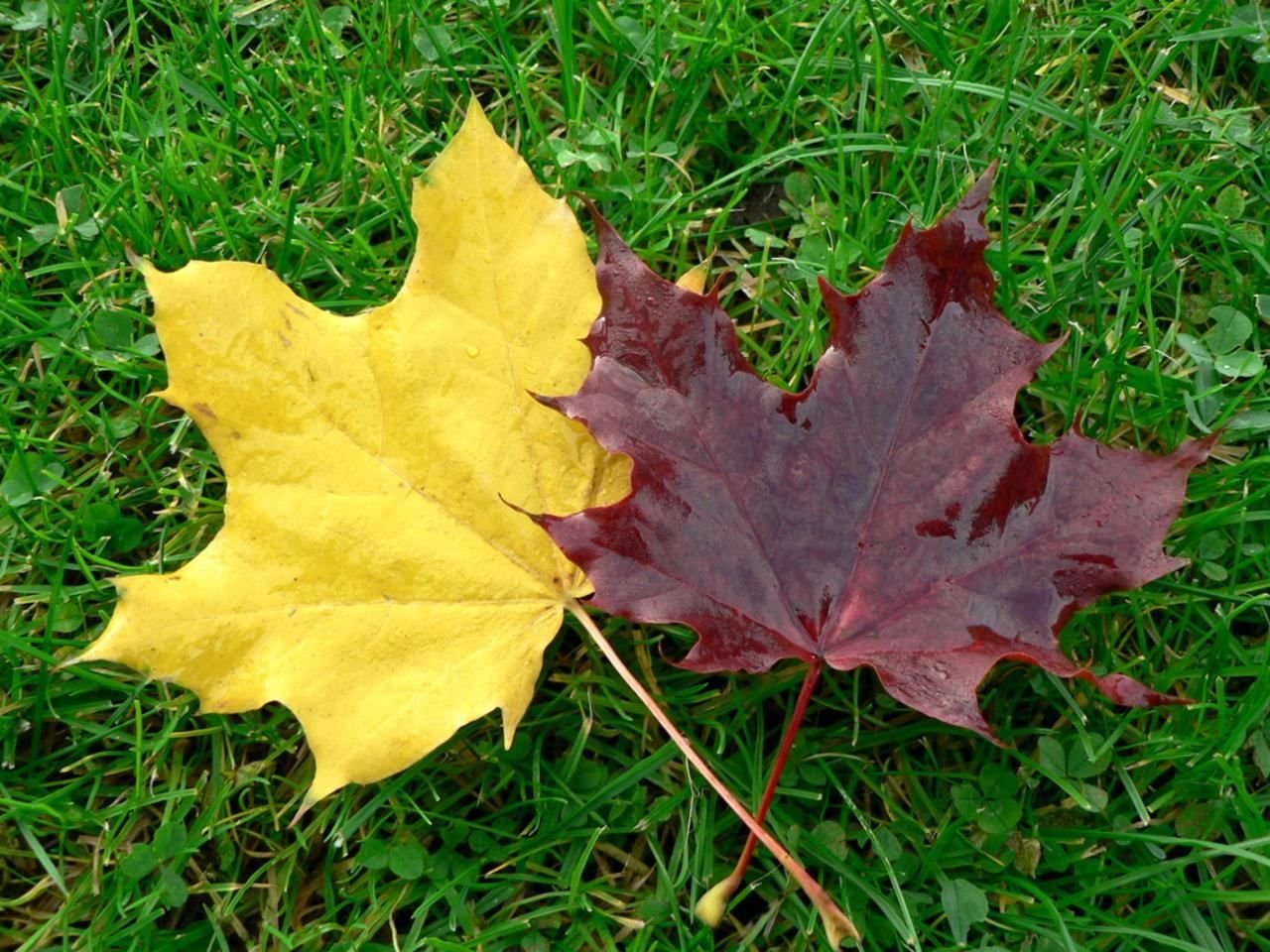
When leaves cover the yard, the obvious question is whether you need to rake every one of them. The useful answer depends on where the leaves landed and how thick the layer is. A few scattered leaves on a lawn are different from a wet, solid blanket. Leaves in a garden bed serve a different purpose again.
Start with the lawn you can still see
If grass remains clearly visible through a light layer of dry leaves, mow over them and leave the small pieces where they fall. Shredded leaves settle between grass blades and decompose. Minnesota Extension recommends mulching dry leaves regularly, sometimes making a second mowing pass to break them down further. Its practical warning is to remove excess leaves when less than half the lawn remains visible. At that point, simply mowing a heavy pile may leave a mat that blocks light and air.
Do not treat that 50 percent observation as a universal law. Wet, compacted leaves can cover grass even when the original pile looked thin. After mowing, look at the turf: can you see grass blades, or only a blanket of fragments? If you see a blanket, collect some and move it elsewhere. Keep leaves out of storm drains and off sidewalks where they become slippery.
Move the surplus to a useful place
Chopped leaves make a useful organic mulch around many garden plants. Spread them in a loose layer rather than packing them against stems or tree trunks. A compost pile is another destination: mix dry leaves with nitrogen-rich material, add moisture when needed, and turn according to the system you use. University of Minnesota Extension lists shredded leaves among organic mulches that gradually add organic matter to soil.
A simple leaf pile can also break down over time, although it will not work as quickly as a managed compost pile. If you have a small yard, a bag or bin of dry leaves gives you a reserve of brown material for later composting. Leave some leaf litter in low-traffic garden areas where it is safe to do so; it can provide overwintering habitat. Keep it away from building vents and areas where drainage must stay clear.
A five-minute decision for this weekend
- Walk the lawn and note where grass is hidden by a dense layer.
- Mulch a light, dry layer with the mower; check what remains afterward.
- Move the excess into garden beds or a compost system.
- Clear paths, drains, and other places where leaves cause a practical problem.
- Recheck after the next windy day rather than trying to finish the entire season in one pass.
Local weather and tree species change the amount of leaf fall, so use the condition of your own lawn as the final check. You do not need a spotless yard to care for grass. You do need to prevent a dense, persistent cover from sitting on it.
What is your hardest leaf problem: a shaded lawn, a small compost space, or too many leaves arriving at once?
Sources: University of Minnesota Extension on leaf mulching; University of Minnesota Extension on organic mulch.
Photo: Fallen leaves on grass; illustrative photograph. Rosendahl / Wikimedia Commons. Public domain. No editorial alterations.

0 views

Anna Morgan
Chirvy editorial pen name for practical, source-checked home gardening guides.
Replies 0
Log in to join the conversation.
It is quiet here. Be the first to reply.