Can perennial plants survive winter in pots? Protect the roots first
A plant that survives winter in the ground may fail in a small exposed pot. Learn when to move, bury, insulate, or empty a container.
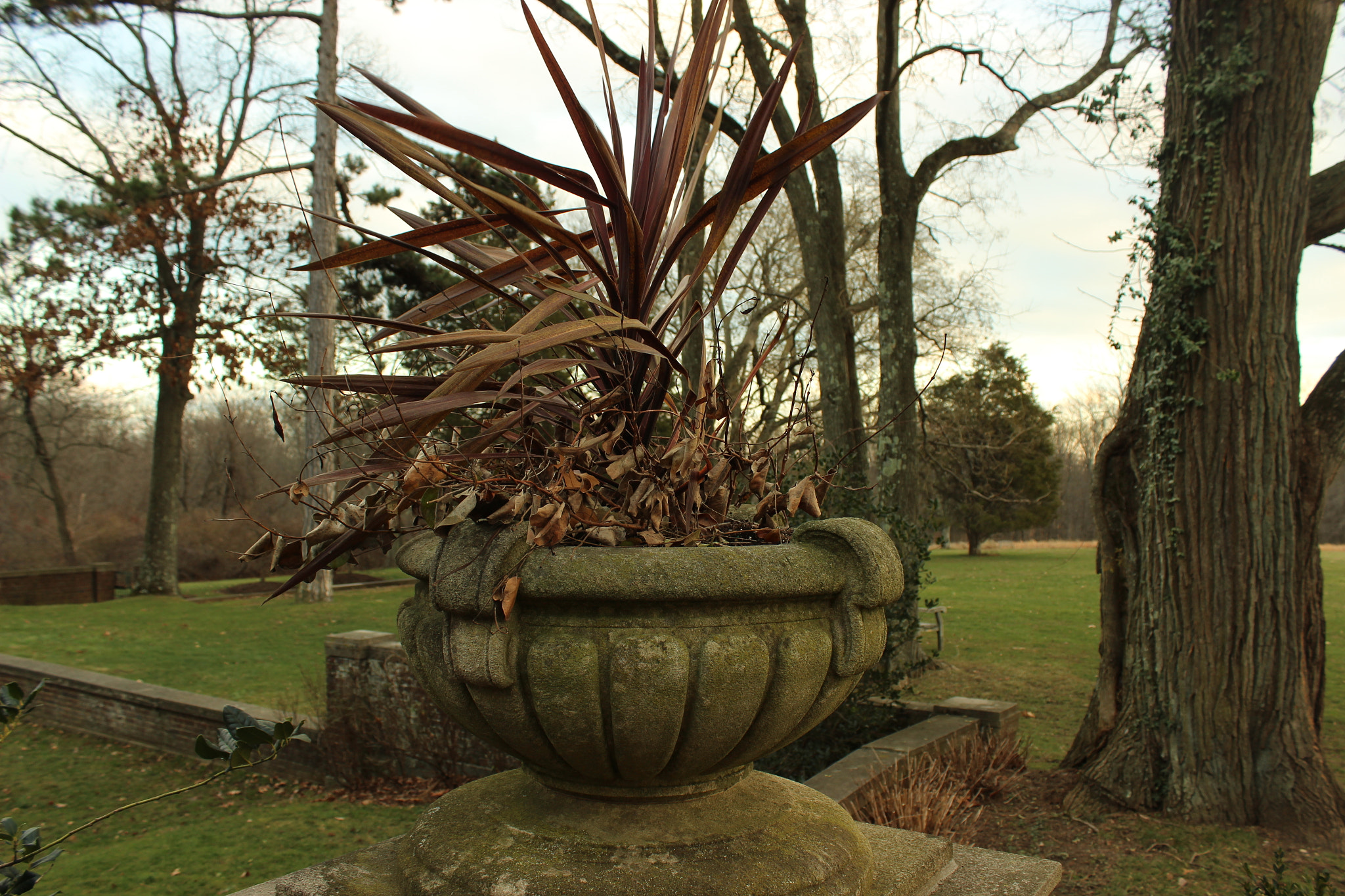
A perennial labeled hardy in your region may still struggle in a pot on an exposed porch. In the ground, surrounding soil buffers the roots from rapid temperature swings. In a container, cold air reaches the root ball from the sides as well as the top. That difference explains why a plant can return reliably in a garden bed but disappear after a winter on the patio.
First, identify the plant and the pot
Check the plant's hardiness information and ask your local Extension office about your climate. A national calendar cannot tell you when the soil will freeze in your yard. Look at the container as well: small pots cool faster than large ones, and a decorative pot may crack during freeze-thaw cycles. Illinois Extension notes that large, insulated containers in protected locations give roots more protection. It also advises emptying and storing most planters that are not designed to remain outdoors with soil through northern winters.
Three reasonable ways to overwinter
- Plant it in the ground. If the plant suits the site and the ground is workable, move it into a suitable bed. Water it as appropriate after planting and follow local guidance for mulching.
- Sink the pot into the ground. For an otherwise hardy plant, burying the container to soil level allows surrounding ground to buffer its roots. University of Illinois Extension describes this as one way to reduce temperature swings. Check that the pot has drainage, and remove it at the right time in spring.
- Use a protected space. A sheltered, unheated location may suit some dormant plants, but it must match the species' temperature and light needs. Do not assume that a warm living room is the right winter home for every outdoor perennial.
Grouping larger containers near a sheltered wall can reduce exposure, but it does not turn a small pot into the equivalent of ground soil. Avoid setting a plant directly beneath a roof edge where it may miss rain and snow. If you cannot protect a particular plant's roots adequately, treat it as an experiment and make a backup plan rather than promising yourself that a fabric wrap will solve every problem.
Water still matters
Dormant does not always mean dry. Illinois Extension advises checking potted plants through winter and watering when needed. Evergreen plants can continue losing moisture, and a pot under shelter may receive little precipitation. Check the soil rather than watering by a fixed weekly schedule. Water when the soil is not frozen and conditions allow drainage; do not leave the root ball waterlogged.
Before storing an empty decorative planter, remove the old planting and soil, clean it, and follow the maker's winter-care guidance. This protects the container even if the plant is moved elsewhere. Label plants you put into a sheltered area so they are not forgotten when spring starts.
What are you trying to save this winter: a perennial, a small shrub, or the pot itself?
Sources: University of Illinois Extension, overwintering plants in containers; University of Illinois Extension, container drainage and buried pots.
Photo: A potted plant outdoors; illustrative photograph. Emily Serven / Wikimedia Commons. CC BY 3.0. No editorial alterations.

0 views

Anna Morgan
Chirvy editorial pen name for practical, source-checked home gardening guides.
Replies 0
Log in to join the conversation.
It is quiet here. Be the first to reply.