Why are houseplant leaves turning yellow in winter? Check water and light
Yellow leaves do not point to one diagnosis. Use this short inspection routine before adding more water, fertilizer, or a grow light.
A yellow leaf in November can tempt you to reach for a watering can or fertilizer. Pause first. Yellowing is a symptom, not a diagnosis. A few older lower leaves may age naturally, while widespread yellowing can indicate a problem with water, roots, light, temperature, or pests. The pattern and the condition of the pot tell you more than the color alone.
Check the soil before changing your routine
Push a finger into the potting mix or use another reliable way to check moisture below the surface. Is it still damp several days after watering? Is the container sitting in a saucer of water? University of Maryland Extension notes that overwatered indoor plants may yellow or drop leaves. It also warns against watering on a fixed schedule, because the same plant may use water at a different rate as conditions change.
If the mix is consistently wet, make sure the pot has a drainage hole and empty the saucer after watering. A decorative outer pot can hide standing water, so lift the inner pot to inspect it. If the mix is very dry instead, water thoroughly and let the excess drain; water racing straight down the side of an extremely dry root ball may fail to moisten the center. Avoid making several changes on the same day, or you will not know which one helped.
Look at what changed around the plant
Winter usually brings shorter days and less useful indoor light. A plant moved farther from a window may receive much less light than it did in summer; window glass also reduces incoming light. Less light often means slower growth and lower water use, so last summer's watering interval may now be too frequent. A heater, drafty door, or cold window can add stress. Match the plant to a suitable location for its species and keep leaves away from hot vents and very cold glass.
Inspect both sides of affected leaves and stems for insects, webbing, or sticky residue. If you see pests, identify them before treating. Also consider recent changes: repotting, a move to a new room, a sudden temperature drop, or a pot left standing in water. A single yellow leaf after a move is a different situation from several new yellow leaves every week.
Use a simple seven-day check
- Photograph the plant so you can compare the pattern later.
- Check moisture below the surface and empty any standing water.
- Confirm the pot drains freely.
- Note the window direction, distance from the glass, and nearby heat or drafts.
- Inspect leaves for pests and remove only fully dead foliage.
- Wait and observe before adding fertilizer or changing several conditions at once.
If yellowing spreads quickly, stems soften, or roots smell rotten, take action sooner and consult a local Extension resource for the species. The aim is to respond to what you find, not to follow a universal winter watering calendar.
Which plant is yellowing, and is its soil staying wet or drying quickly?
Sources: University of Maryland Extension, watering indoor plants; University of Maryland Extension, selecting indoor plants.
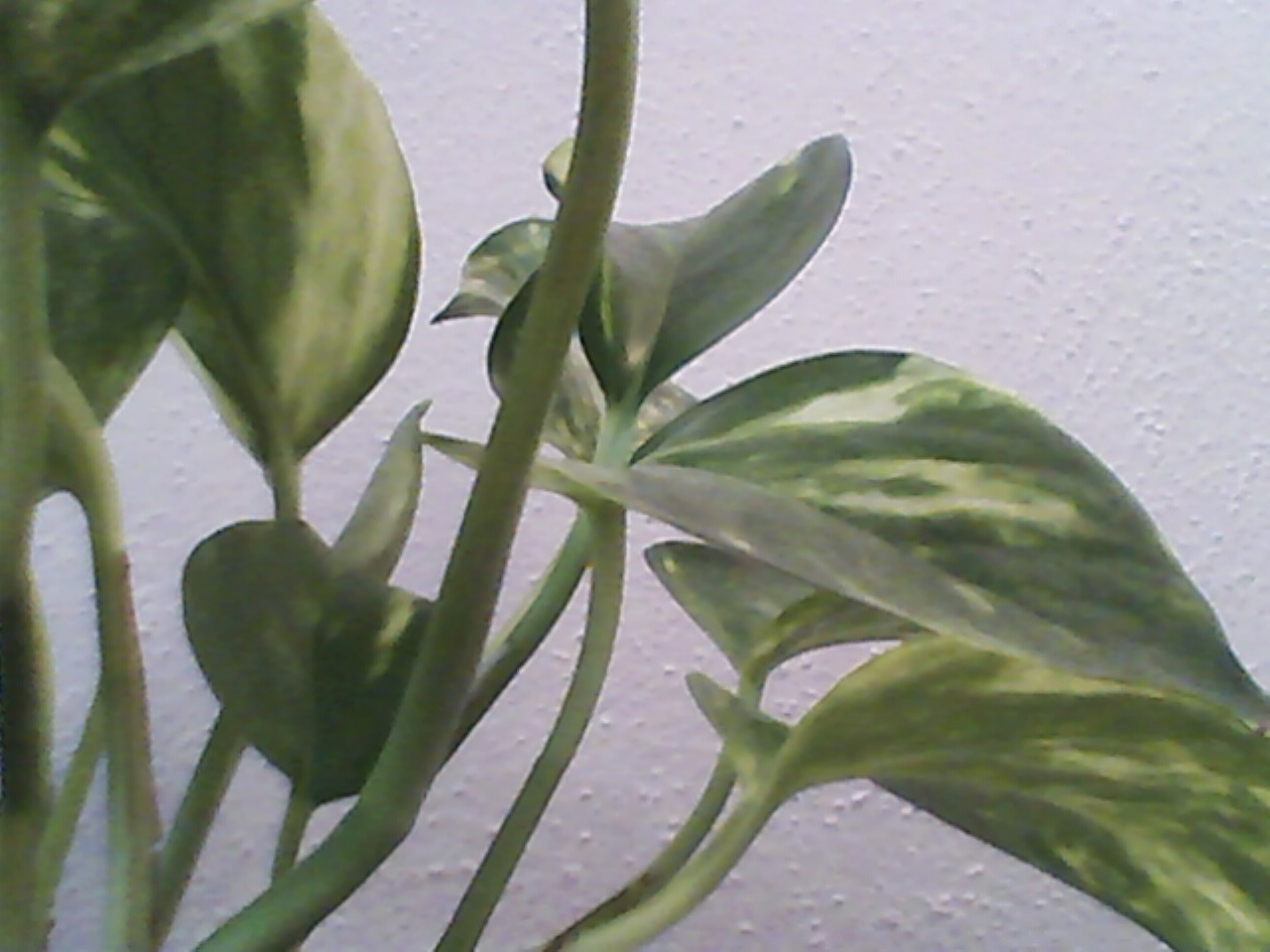
Photo: Pothos foliage; illustrative photograph, not a diagnosis of leaf yellowing. San906 / Wikimedia Commons. CC0. No editorial alterations.

1 view

Anna Morgan
Chirvy editorial pen name for practical, source-checked home gardening guides.
Replies 0
Log in to join the conversation.
It is quiet here. Be the first to reply.