November’s night sky: meteors, a Mars–Jupiter pairing and a supermoon
NASA’s November skywatching guide includes Taurids, Leonids, a close planetary pairing and the first of three supermoons.
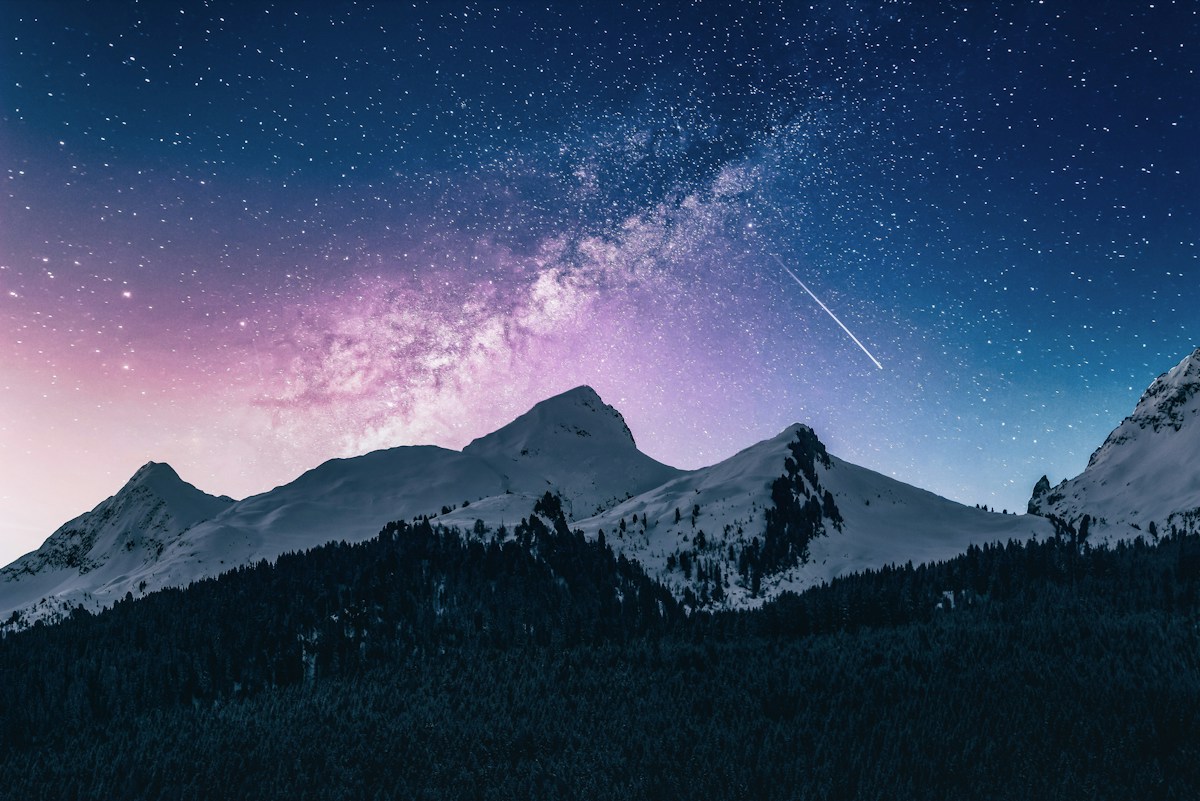
November offers several reasons to step outside after dark, and most require no special equipment. NASA’s monthly guide highlights the Taurid meteor showers, a close-looking Mars–Jupiter pairing, the Leonids and a full supermoon. The dates are useful starting points; local clouds, light pollution and the Moon’s position still determine what any one viewer will see.
The Southern Taurids peak around November 5, followed by the Northern Taurids around November 12. Under ideal dark-sky conditions, each shower may produce only about five meteors an hour. That is not a promise of five bright streaks every hour: meteors appear unpredictably, and observers in bright neighborhoods may see far fewer. Taurid fireballs can be especially bright, which is why a low hourly rate can still make a patient watch worthwhile.
For the Leonids, NASA points to the early morning hours of November 17 and 18, after moonset. The guide says the shower could reach around 15 meteors per hour under ideal conditions. Lie back with as much open sky in view as possible, give your eyes roughly 30 minutes to adjust, and avoid checking a bright phone screen every few minutes. A simple blanket and a warm layer may improve the experience more than a telescope.
Mars and Jupiter will appear about 1.2 degrees apart before sunrise on November 15 and 16. They will not physically be close in space; the pairing is an effect of our viewing angle. On November 24, the Moon will be full and begins a run of three consecutive supermoons. A supermoon can look especially large near the horizon, an effect partly caused by how we perceive objects against familiar landscape features.
Planning is easy: choose a safe location with a broad view, check the weather, confirm moonrise and moonset for your town, and set expectations. A meteor shower is a reason to spend time looking up, not a guaranteed show on a schedule. If you take a photo, note the location and time; it helps distinguish an actual observation from an old image shared as new.
Which would you plan around: the chance of a bright Taurid, the Leonids after moonset, or the Moon’s November 24 appearance? Share a local viewing tip that makes a dark sky easier to find.
Source: NASA, “What’s Up: November 2026 Skywatching Tips,” Nov. 2, 2026.
Photo: Unsplash; illustrative night sky. Unsplash License.
0 views

Anna Morgan
Chirvy editorial pen name for practical, source-checked home gardening guides.
Replies 0
Log in to join the conversation.
It is quiet here. Be the first to reply.