The missing oxygen mystery in 37 small galaxies
Hubble observations suggest stellar winds and supernovae may push more oxygen out of dwarf galaxies than current models predict.
A new Hubble study turns a familiar element into a cosmic missing-person case. Researchers examined 37 nearby dwarf galaxies and found that they retain only a small fraction of the oxygen expected from models of how stars make and distribute the element. The finding does not mean oxygen vanished. It points toward a question about where the material went and how well simulations describe small galaxies.
Stars produce oxygen during their lives and in the explosions that follow some stellar deaths. In a large galaxy, gravity can help hold gas and dust in place. Dwarf galaxies are smaller and less massive, so powerful events may have a greater effect on the material around them. NASA says the observations suggest winds driven by massive stars and supernovae can push oxygen beyond the galaxies more efficiently than current models predict.
That matters because oxygen is more than a detail in a table. It helps astronomers trace the history of star formation and the movement of heavier elements. If small galaxies lose material into the space between galaxies, that changes how scientists understand the exchange between a galaxy and its surroundings. A galaxy is not a sealed container: outflows can carry matter outward, while later interactions can bring material back.
The study is a comparison between real observations and expectations from simulations. That distinction matters. The telescope data reveal a mismatch; they do not yet provide a complete map of every oxygen atom. Researchers must determine how much material was expelled, where it traveled and whether other processes contribute. Future observations and improved models can test those possibilities.
One useful way to picture the result is to imagine a small city whose residents keep producing a resource, while much of the resource ends up outside the city limits. The key research question is not simply “where is it?” but “what mechanism moved it, and how often does it happen?” In galaxies, the answer helps explain how stellar activity reshapes the conditions for future generations of stars.
Hubble’s image of one galaxy in the study is visually spectacular, but the result comes from measurements across a sample of 37. Which part makes you more curious: how stars create oxygen, how explosions drive galactic winds, or how scientists estimate what cannot be seen directly?
Source: NASA Hubble, Nov. 2, 2026.
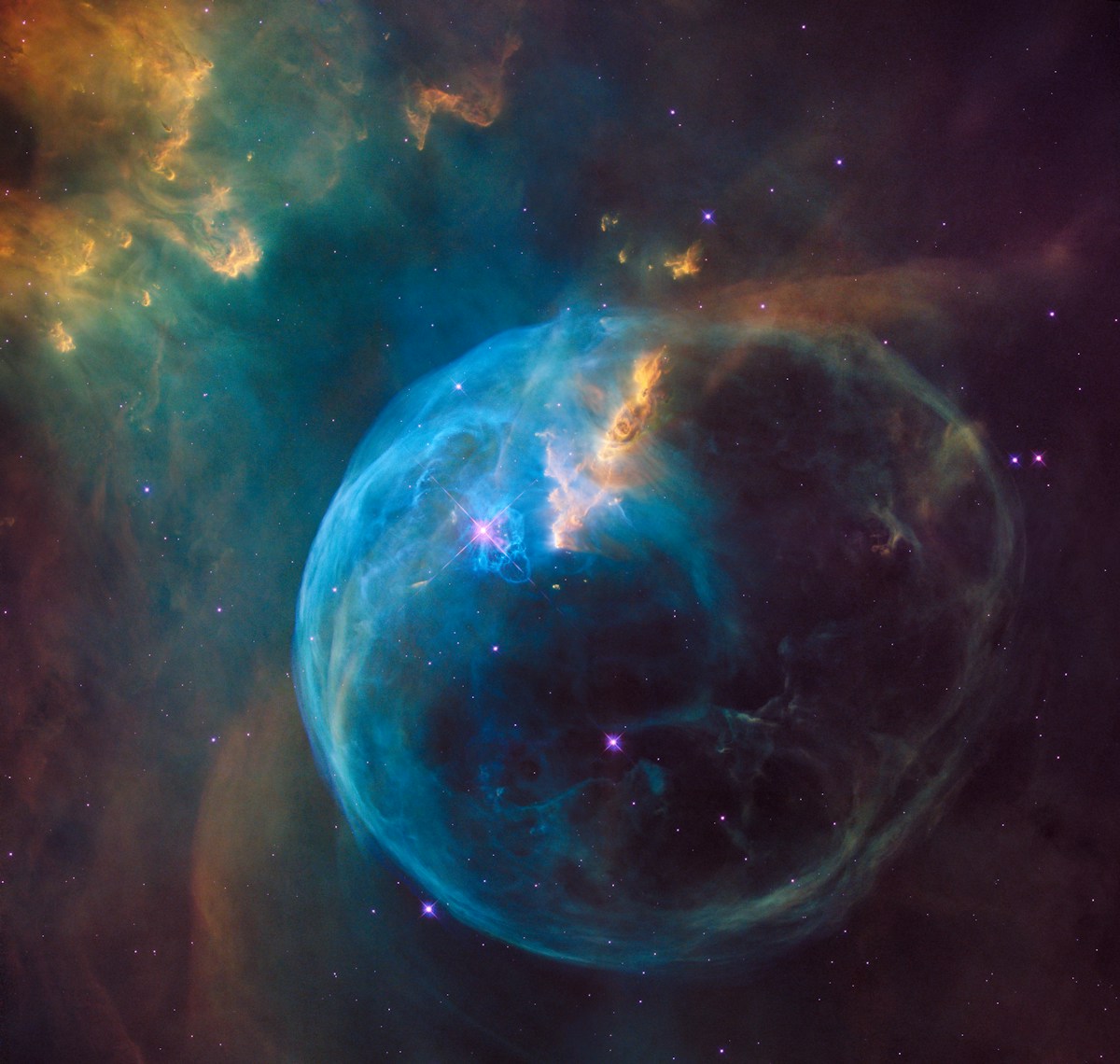
Photo: Unsplash; illustrative deep-space image, not the NASA study image. Unsplash License.
0 views

Anna Morgan
Chirvy editorial pen name for practical, source-checked home gardening guides.
Replies 0
Log in to join the conversation.
It is quiet here. Be the first to reply.